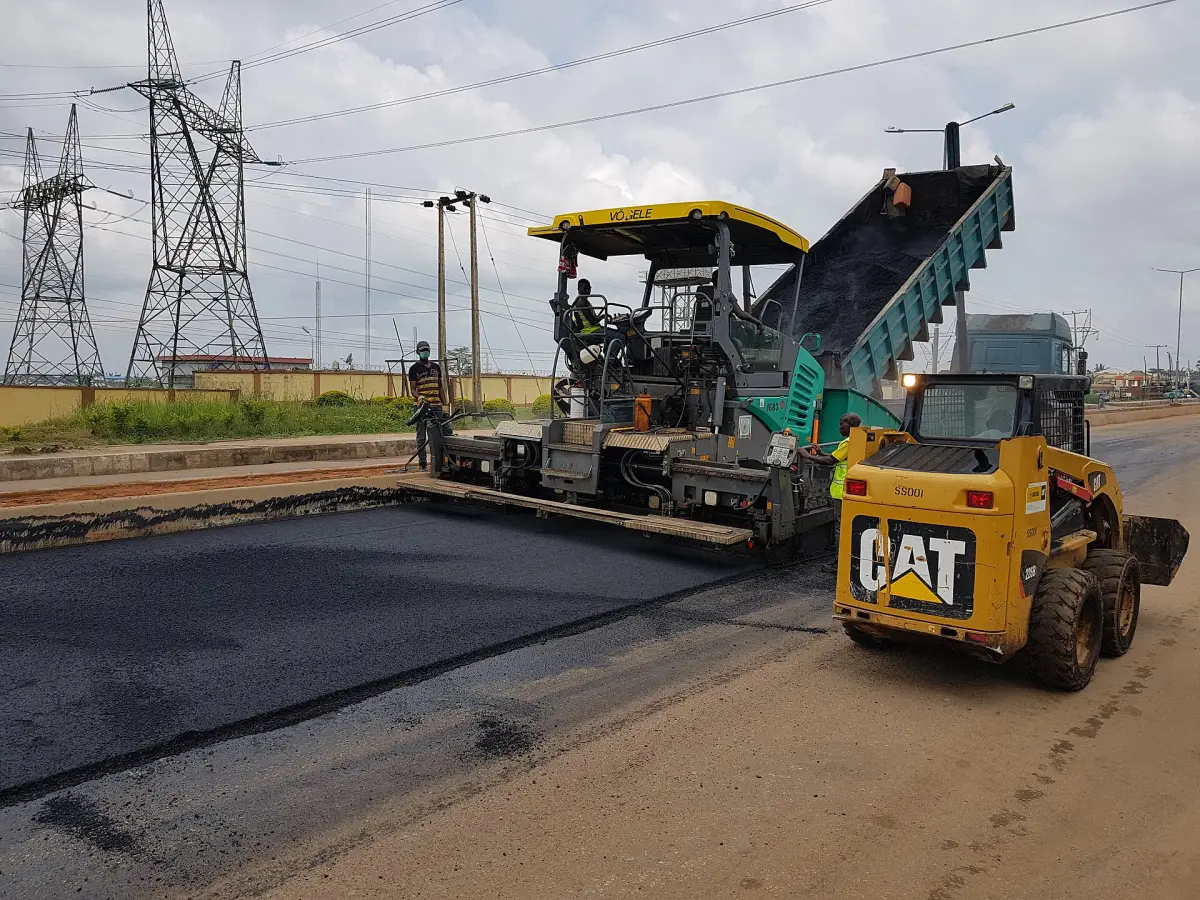
Training and community
A park takes months to build. We use those months to train people, and the community to decide who.
Every Open Spaces Collective contract carries a training plan. Local Aboriginal and Torres Strait Islander people join the crew paid from day one, learn landscape construction on real work, enrol in a recognised qualification, and leave the job with a reference and a next step.
Why landscaping works for training
Landscape construction has an unusually gentle on-ramp. A new starter can plant, mulch and barrow on the first day and be useful, then move on to set-out, paving, walls and machinery as their skills grow. That makes it one of the best trades for people coming back to work or starting out.
Training on our sites is shaped by Tim Comerford, who spent five years lecturing at TAFE NSW before running the mentoring side of DICE Contracting’s Indigenous supply chain.
The pathway
On site, paid, from day one
Site induction, White Card, PPE and a place on the crew beside an experienced leading hand.
Skills on the tools
Planting, soil preparation, set-out, paving, walls, irrigation and plant operation, built up job by job.
A qualification
Enrolment in a nationally recognised landscape construction or horticulture qualification, delivered with TAFE and registered training organisations, with study time on paid hours. which qualifications, and with which provider
A next job
Ongoing work with us or DICE Contracting, or a reference into council parks crews, nurseries and other contractors.
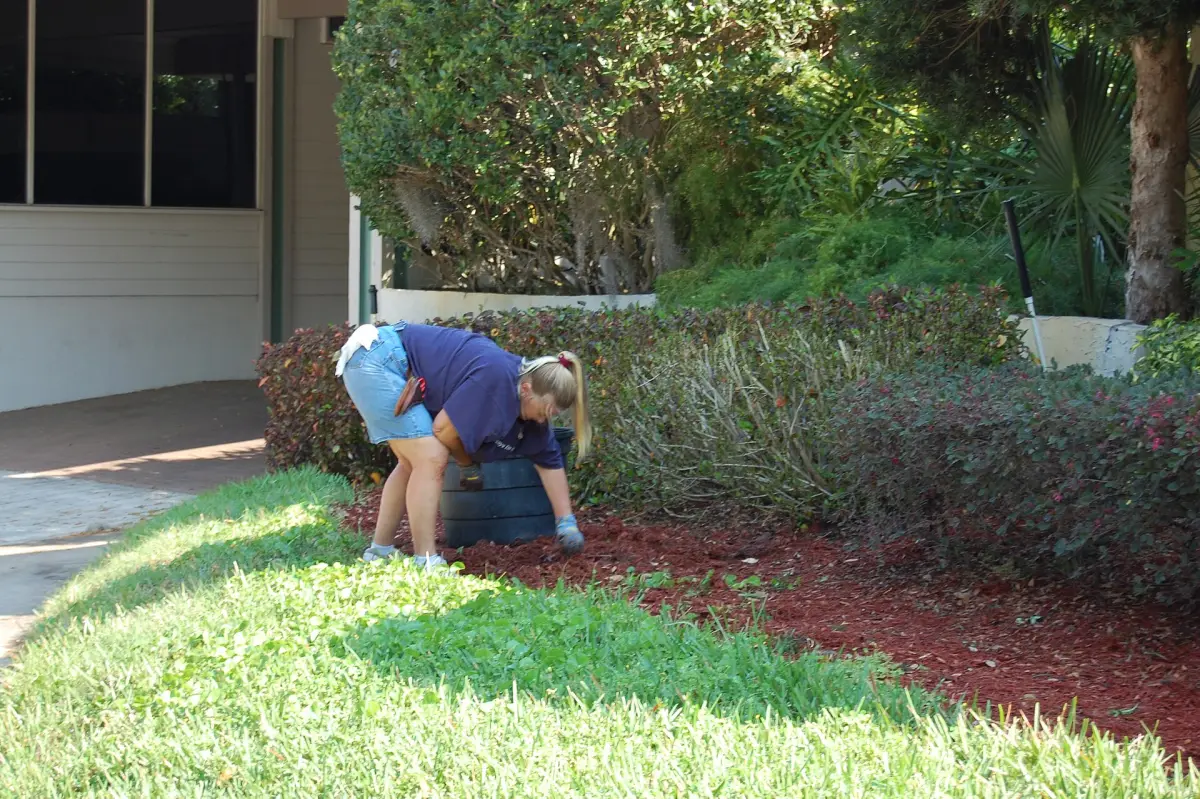
Namabunda Farm, the community hub
The collective’s hub is the nursery being built at Namabunda Farm, near Alstonville. The farm is owned by the Bundjalung Tribal Society and is already a place for community planting days, workshops and learning on Country with Bundjalung Elders.
The nursery gives that a working heart: trainees growing the stock that goes into the region’s parks, schools visiting to plant and learn, Clontarf and community groups finding a way into the trade, and councils coming to meet the people who will build their project.
Who we work with
Training is delivered with TAFE and registered training organisations. Young people come to us through schools, the Clontarf Foundation and local community groups. DICE Contracting offers a next step for trainees who want to stay in construction.
Community on every site
Where a project allows it, we open the work to the people who will use the place: planting days for local schools and residents, site visits for trainees from other programs, and early conversations with Traditional Custodians about how the site is used and described. Cultural knowledge belongs to the Traditional Custodians of each place. Where it is part of a project, they are engaged and paid for it.
Common questions
How does Open Spaces Collective train people on its contracts?
Trainees start on site, paid, alongside an experienced leading hand, learn landscape construction on real work, enrol in a nationally recognised qualification, and move into ongoing work with us, our sister business DICE Contracting, or other employers.
Can you report Aboriginal participation and training on a contract?
Yes. We report the number of Aboriginal and Torres Strait Islander workers, their hours, and training enrolments and completions against the client’s social procurement or participation targets.
Setting participation targets for a project?
Tell us the targets and the program. We will show you how we would staff and report against them.