Native plants
The right species, grown on Bundjalung Country, planted at the right time and looked after until they can look after themselves.
Open Spaces Collective plants native species in public landscapes using stock grown by the collective’s nurseries on Bundjalung Country. We match species to each site’s soil, water and vegetation community, and we carry the establishment period so plantings survive past handover.
Two nurseries, one of them on Bundjalung land
Most landscape contracts buy plants from whichever wholesale nursery has the stock. Ours come from inside the collective. Aralumbin Nursery at Dungay is growing stock now. A second nursery will be designed and built by DICE Contracting at Namabunda Farm, the 29-hectare property the Bundjalung Tribal Society owns near Alstonville.
Namabunda Farm is already a place where Bundjalung Elders share knowledge of plants and Country. Growing public-landscape stock there puts more of the value of each planting with an Aboriginal organisation, and gives trainees a nursery to learn in.
Because we talk to the growers directly, we can plan local provenance, hard-to-find species or staged supply over a long program, rather than hoping it is on the lot.
Matching plants to the ground
A species list on a drawing is a starting point. Before we order, we check it against what the site will actually give the plants: soil type and compaction, how water moves across the site, sun and wind, and the vegetation community the site belongs to. Where we think a species will struggle, we say so and suggest an alternative for the designer to approve.
Establishment
Tubestock planted into good soil in autumn has a far better chance than advanced stock planted into compacted fill in January. We program planting for the right season where the job allows, prepare and ameliorate the soil, mulch, and water through establishment. Losses are replaced, and survival is reported.
Common questions
Where does Open Spaces Collective source its native plants?
From Aralumbin Nursery at Dungay, which is operating now, and from a nursery being built at Namabunda Farm, the Bundjalung Tribal Society property near Alstonville.
Can you supply local-provenance plants?
Yes, with lead time. The nursery can grow stock to order from seed collected in the project’s own catchment. Allow several months for tubestock and longer for advanced trees.
What happens if plants die after planting?
We carry an establishment period on every planting contract. During it we water, weed and replace losses, and report survival to the client.
An indicative palette
These are species we expect to plant often on coastal and Sydney basin sites. They are here to show how we think about a planting, not as a fixed list.
| Code | Botanical name | Common name | Form | Typical height | Where we use it |
|---|---|---|---|---|---|
| Trees | |||||
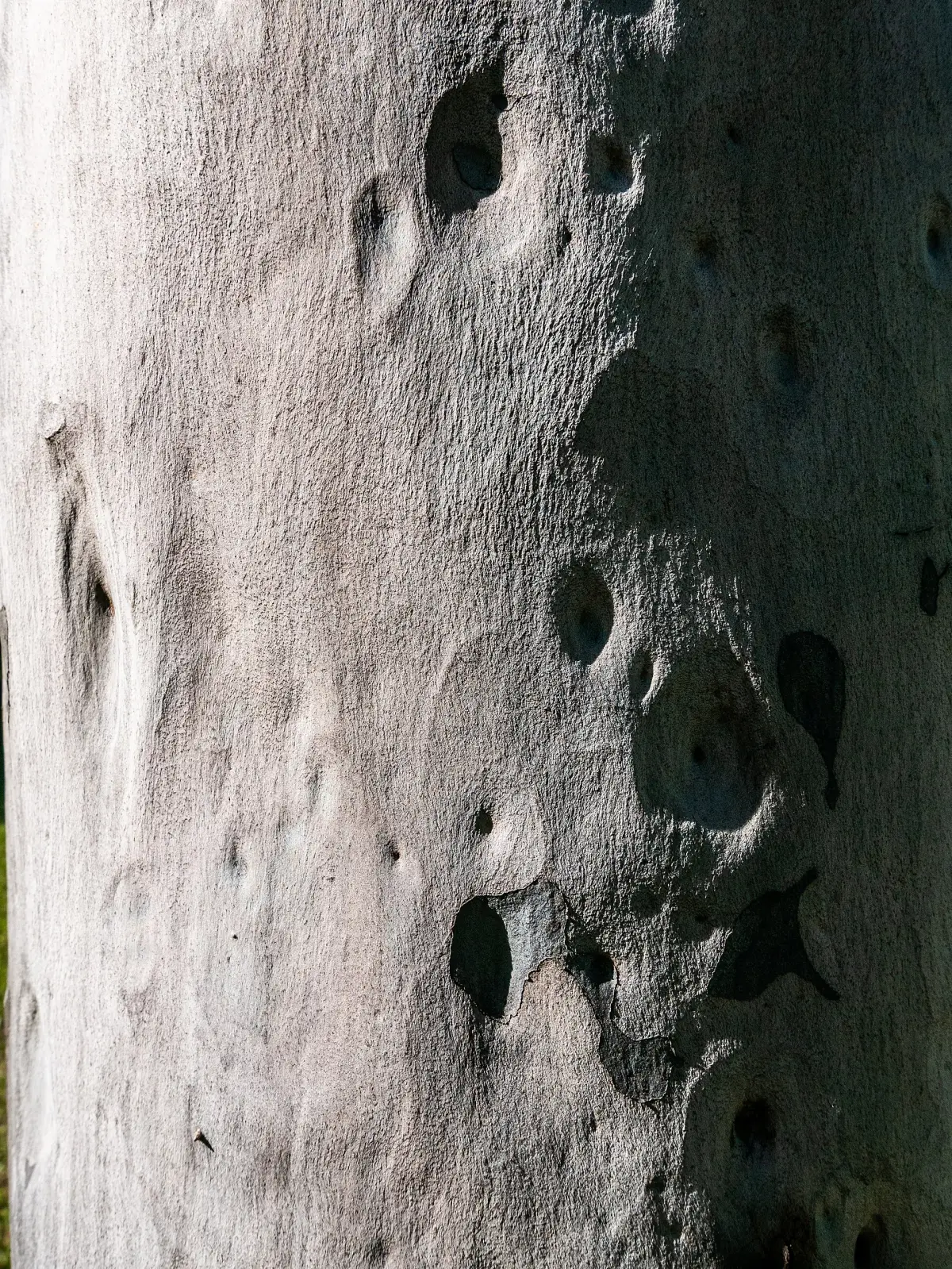
| Cor mac | Corymbia maculata | Spotted gum | Tree | 20–30 m | Street and park trees, large-scale shade |
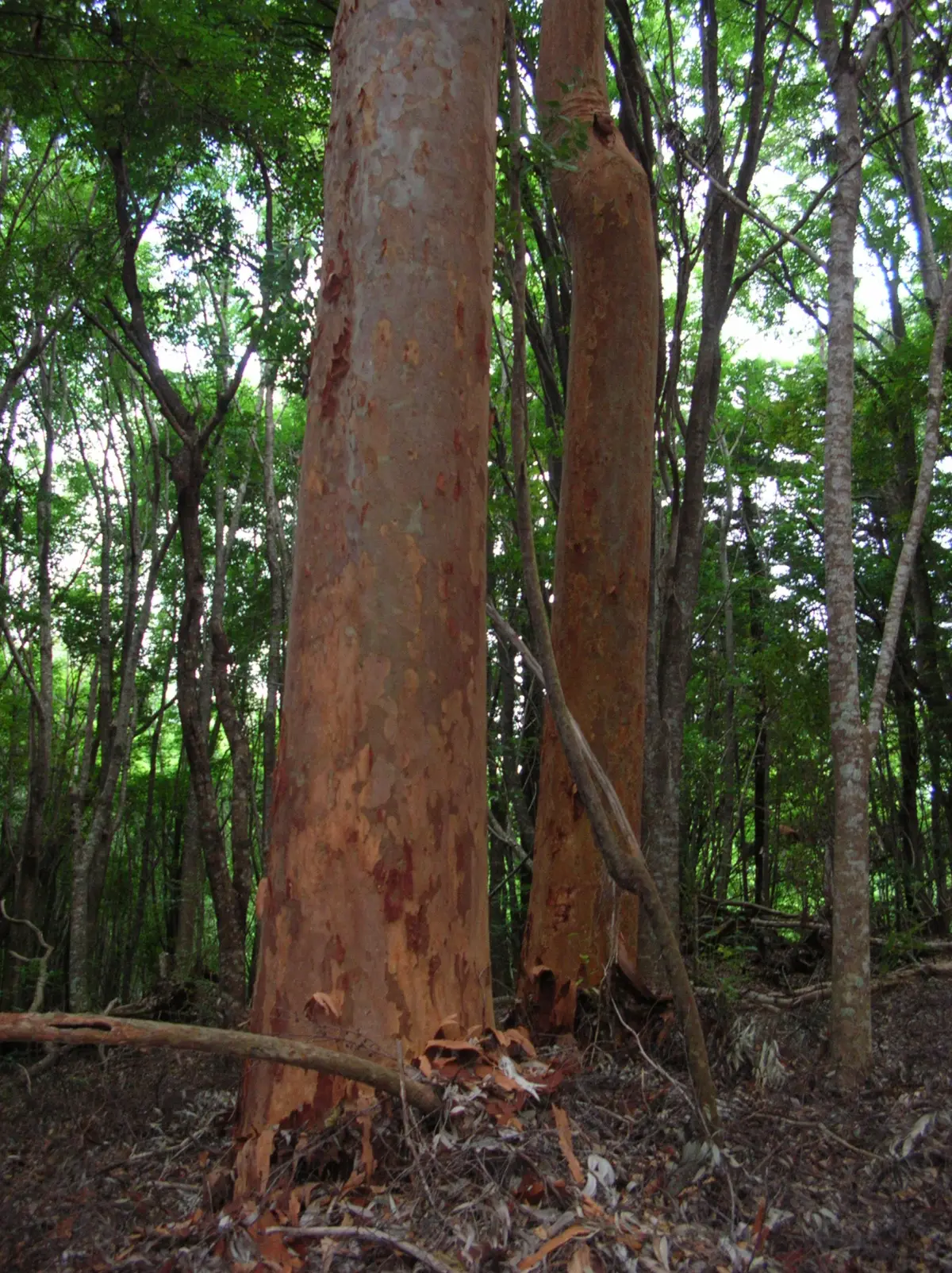
| Ang cos | Angophora costata | Sydney red gum | Tree | 15–25 m | Feature trees on sandstone soils |
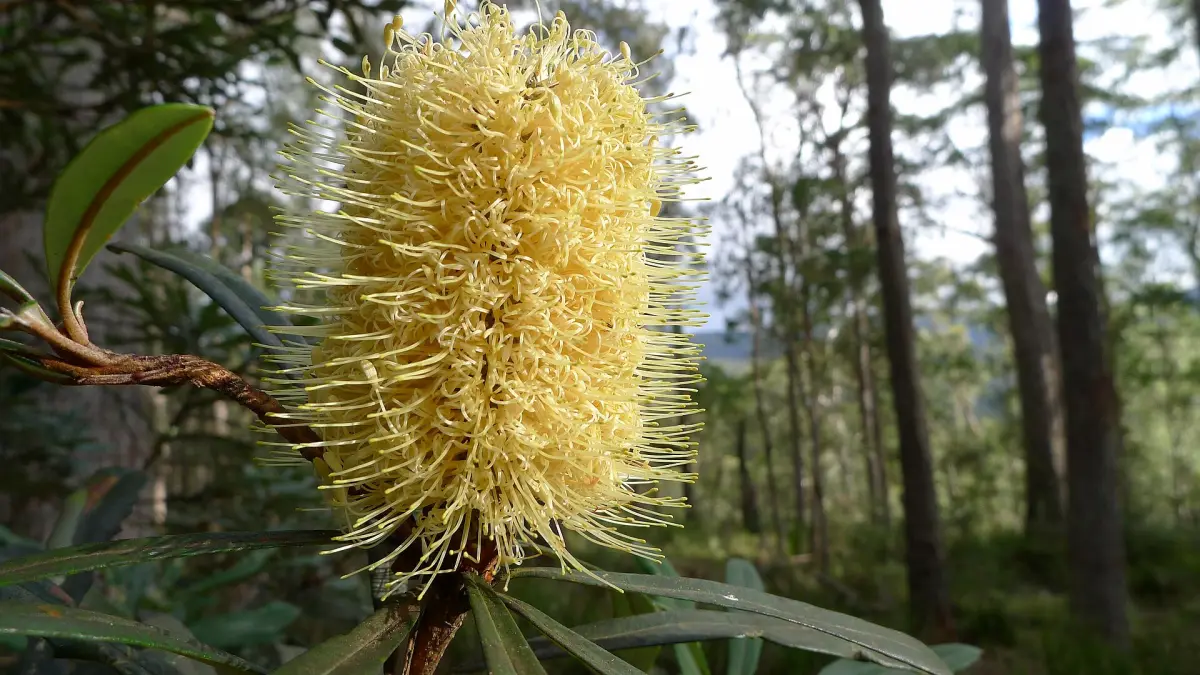
| Ban int | Banksia integrifolia | Coast banksia | Tree | 6–15 m | Coastal parks, windbreaks, bird habitat |
| Ban ser | Banksia serrata | Old man banksia | Small tree | 3–8 m | Sandstone reserves, habitat planting |
| Shrubs | |||||
| Aca lon | Acacia longifolia | Sydney golden wattle | Shrub | 3–6 m | Fast screening, nitrogen fixing, revegetation |
| Wes fru | Westringia fruticosa | Coastal rosemary | Shrub | 1–2 m | Low hedging, exposed and coastal sites |
| Cal spp | Callistemon spp. | Bottlebrush | Shrub | 1.5–4 m | Swales and damp ground, nectar for birds |
| Cor ref | Correa reflexa | Native fuchsia | Small shrub | 0.5–1.5 m | Shaded understorey, winter flowers |
| Grasses, strappy plants and groundcovers | |||||
| Lom lon | Lomandra longifolia | Spiny-headed mat-rush | Tufting perennial | 0.6–1 m | Batters, verges, bioretention edges |
| Dia cae | Dianella caerulea | Blue flax lily | Strappy perennial | 0.5–0.9 m | Understorey, mass planting under trees |
| The tri | Themeda triandra | Kangaroo grass | Tussock grass | 0.5–1 m | Grassland restoration, low-mow areas |
| Poa lab | Poa labillardierei | River tussock | Tussock grass | 0.6–1.2 m | Creeklines, swales, wetland margins |
| Xer bra | Xerochrysum bracteatum | Golden everlasting | Short-lived perennial | 0.3–0.8 m | Meadows, seasonal colour, pollinators |
| Car gla | Carpobrotus glaucescens | Pigface | Succulent groundcover | 0.1–0.2 m | Coastal batters, erosion control |
| Ani fla | Anigozanthos flavidus | Tall kangaroo paw | Clumping perennial | 1–2 m in flower | Feature beds only: a Western Australian species |
 Cor mac
 Ang cos
 Ban int
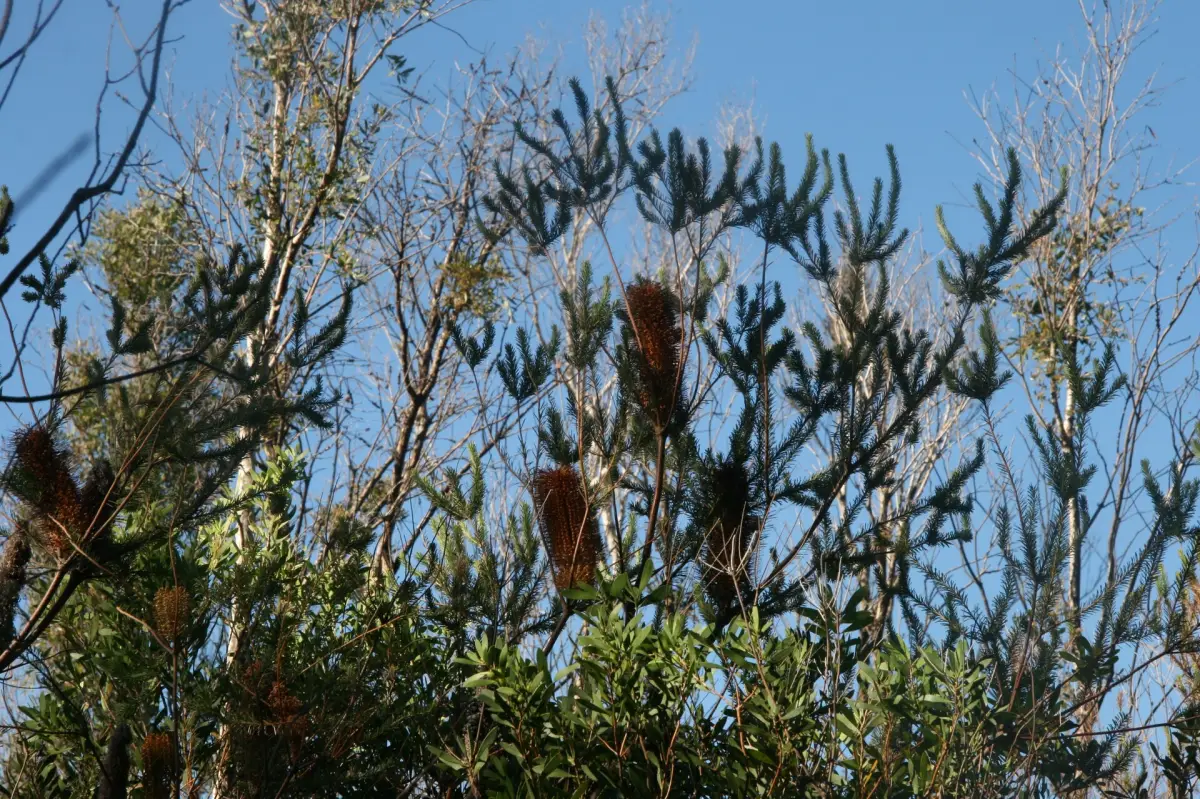 Ban ser
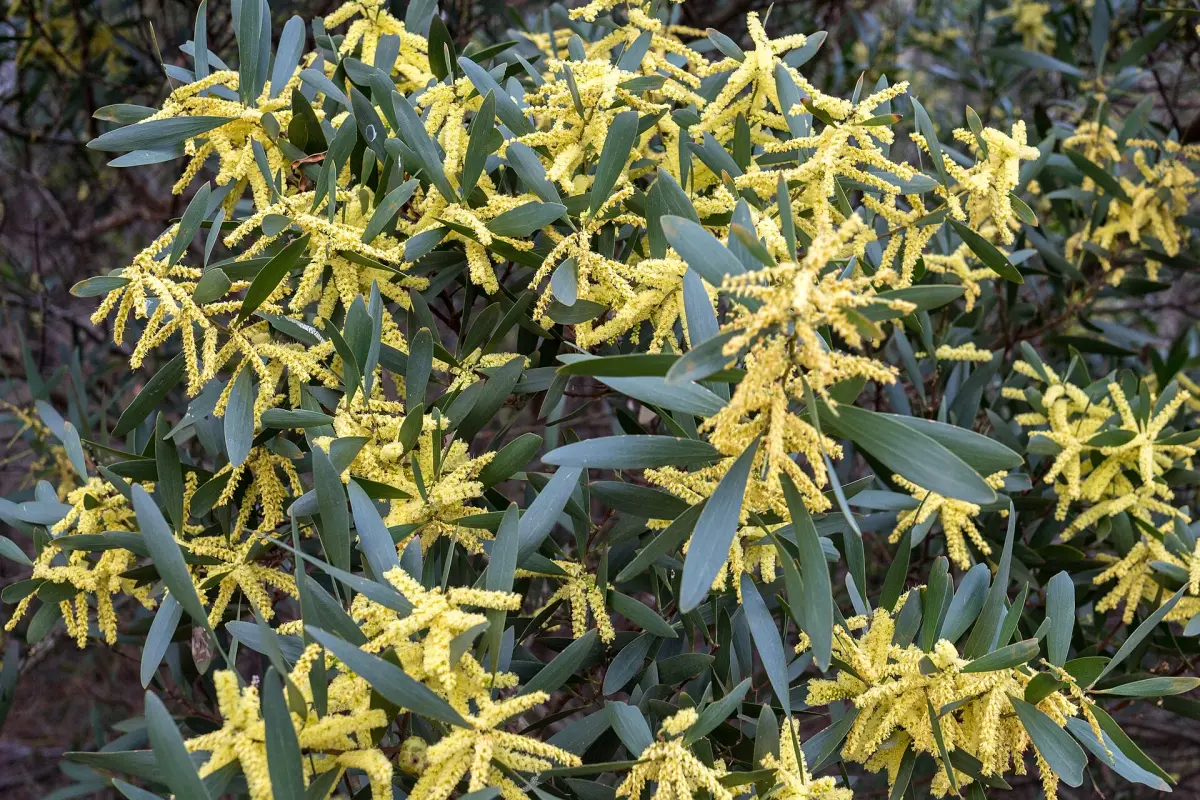 Aca lon
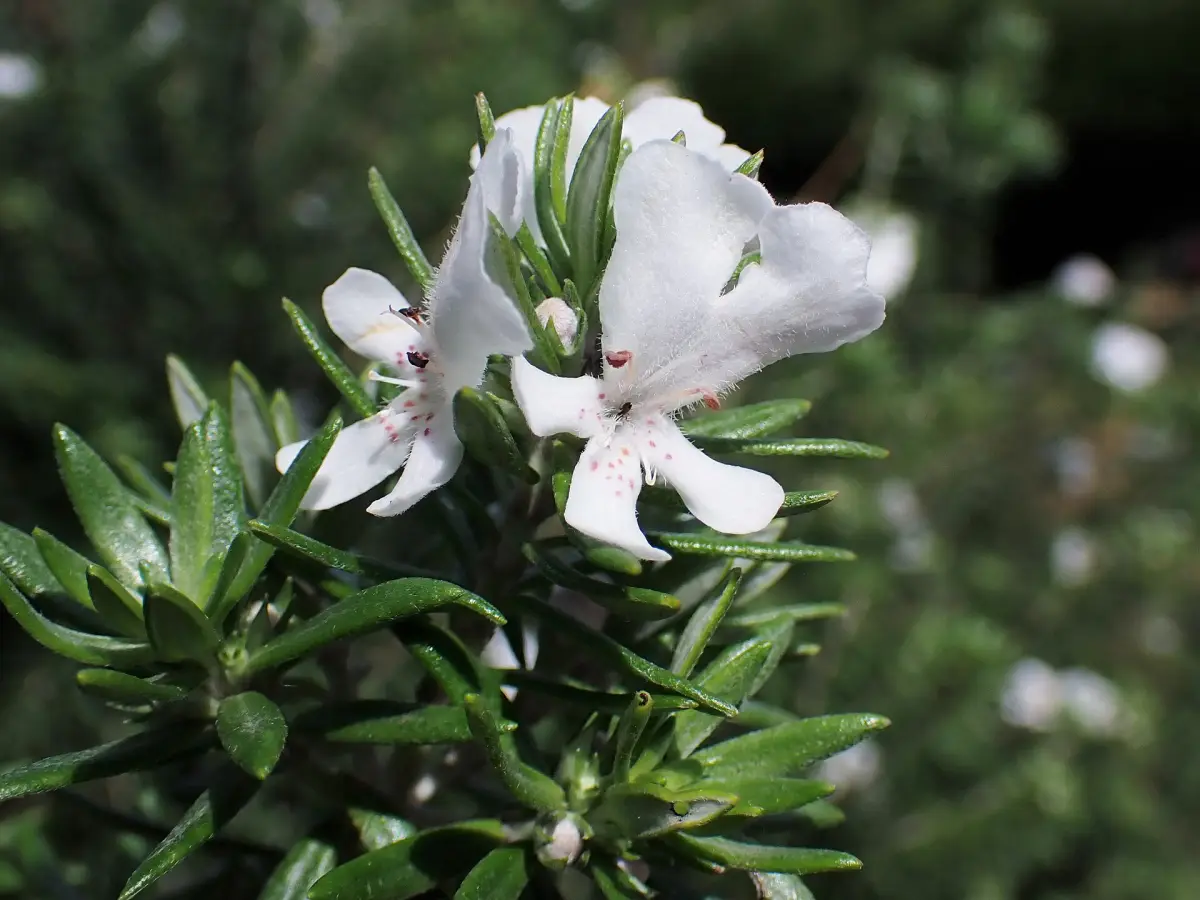 Wes fru
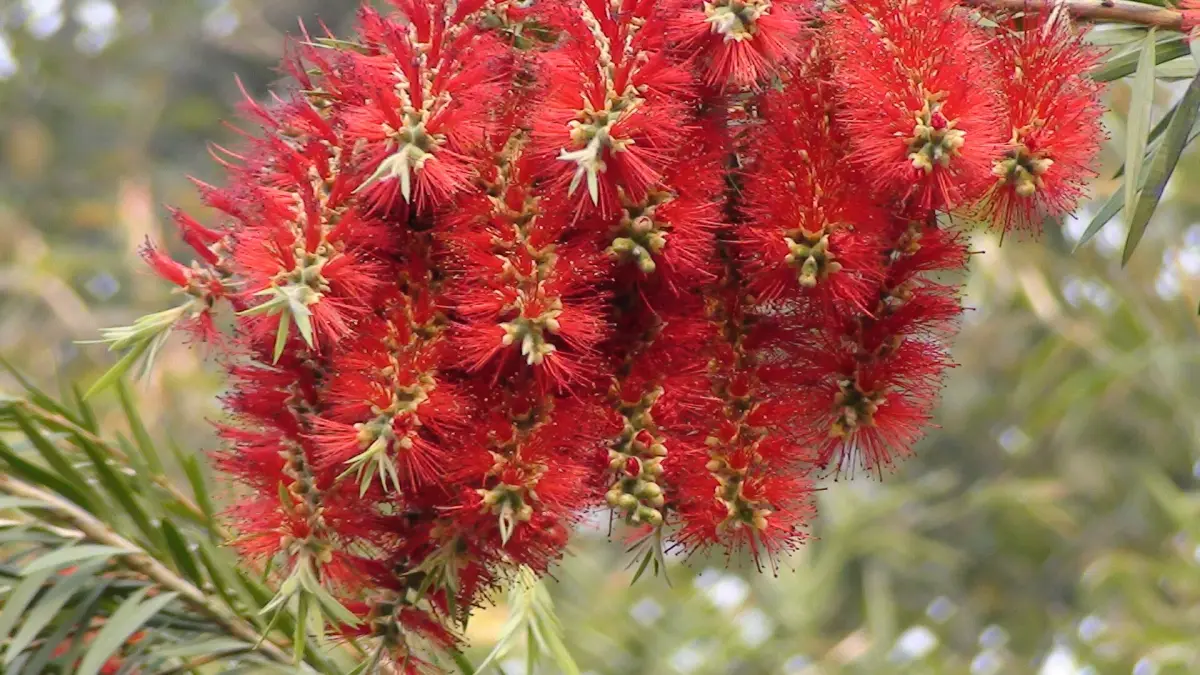 Cal spp
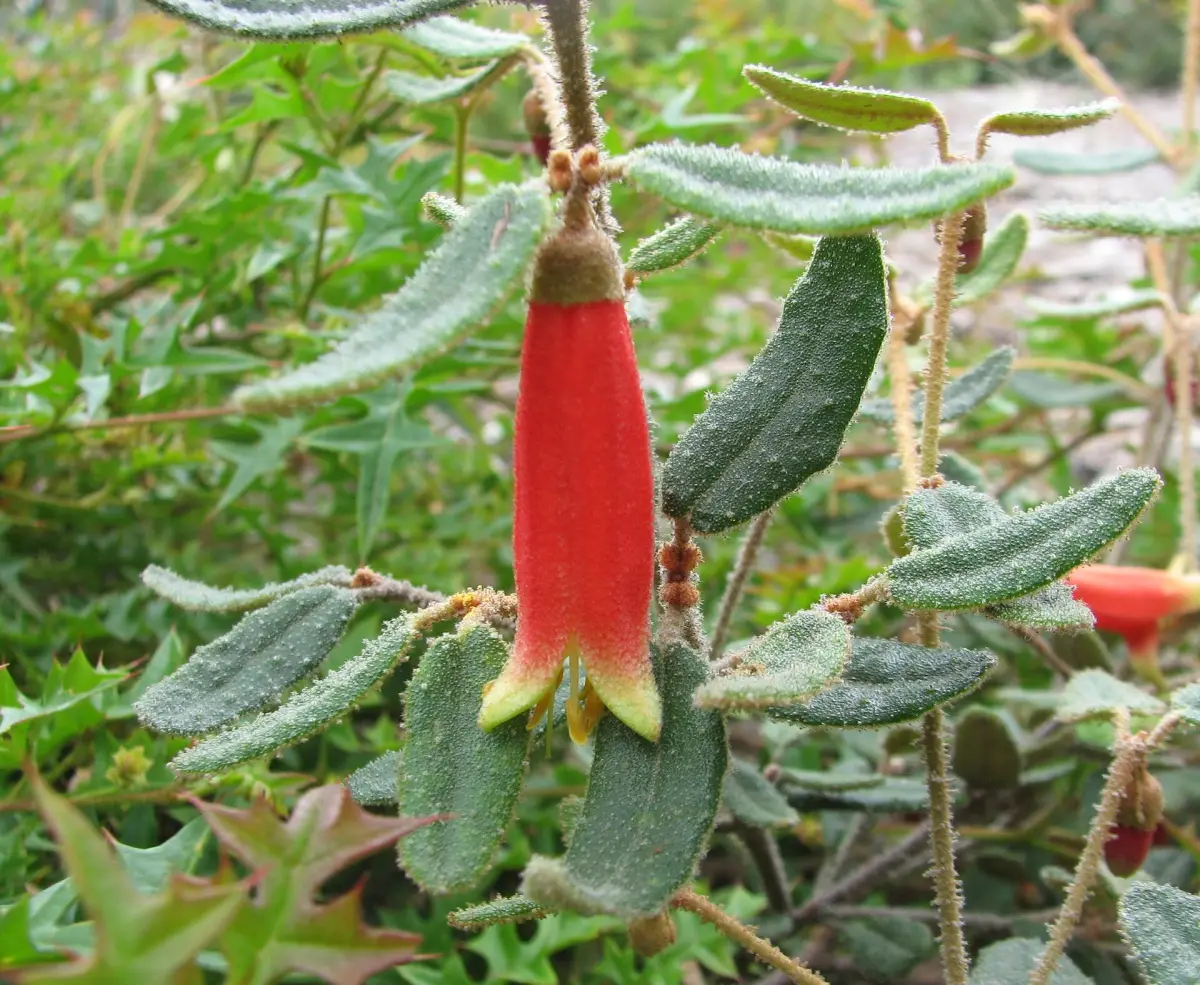 Cor ref
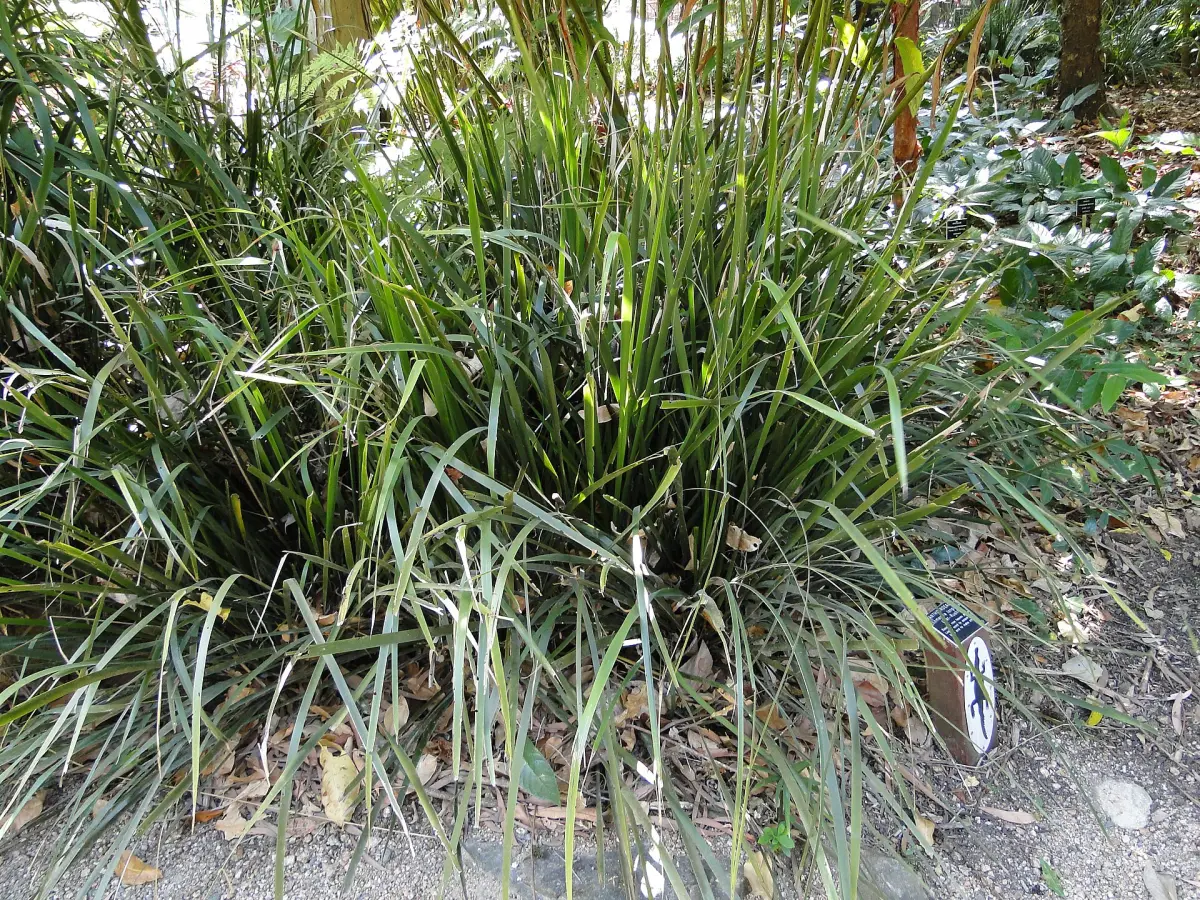 Lom lon
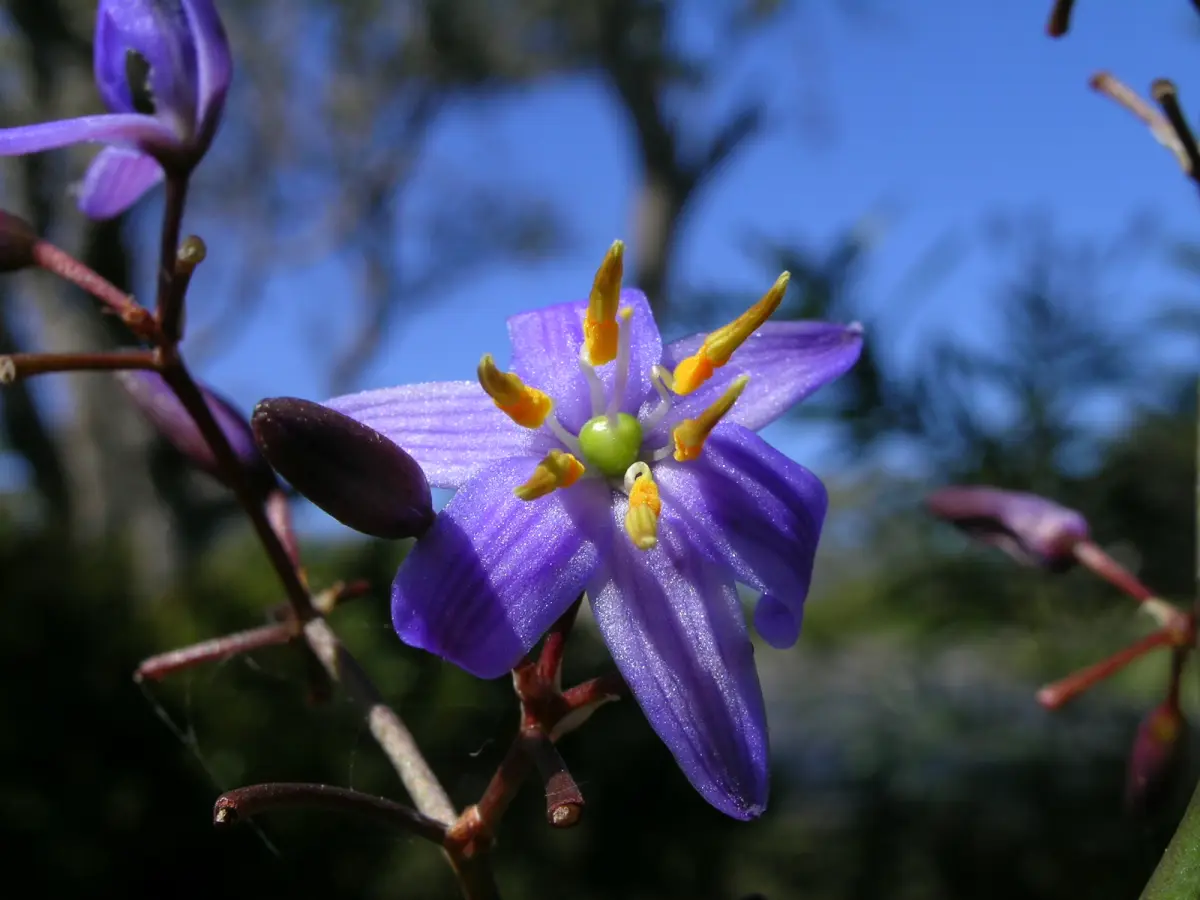 Dia caeThe tri
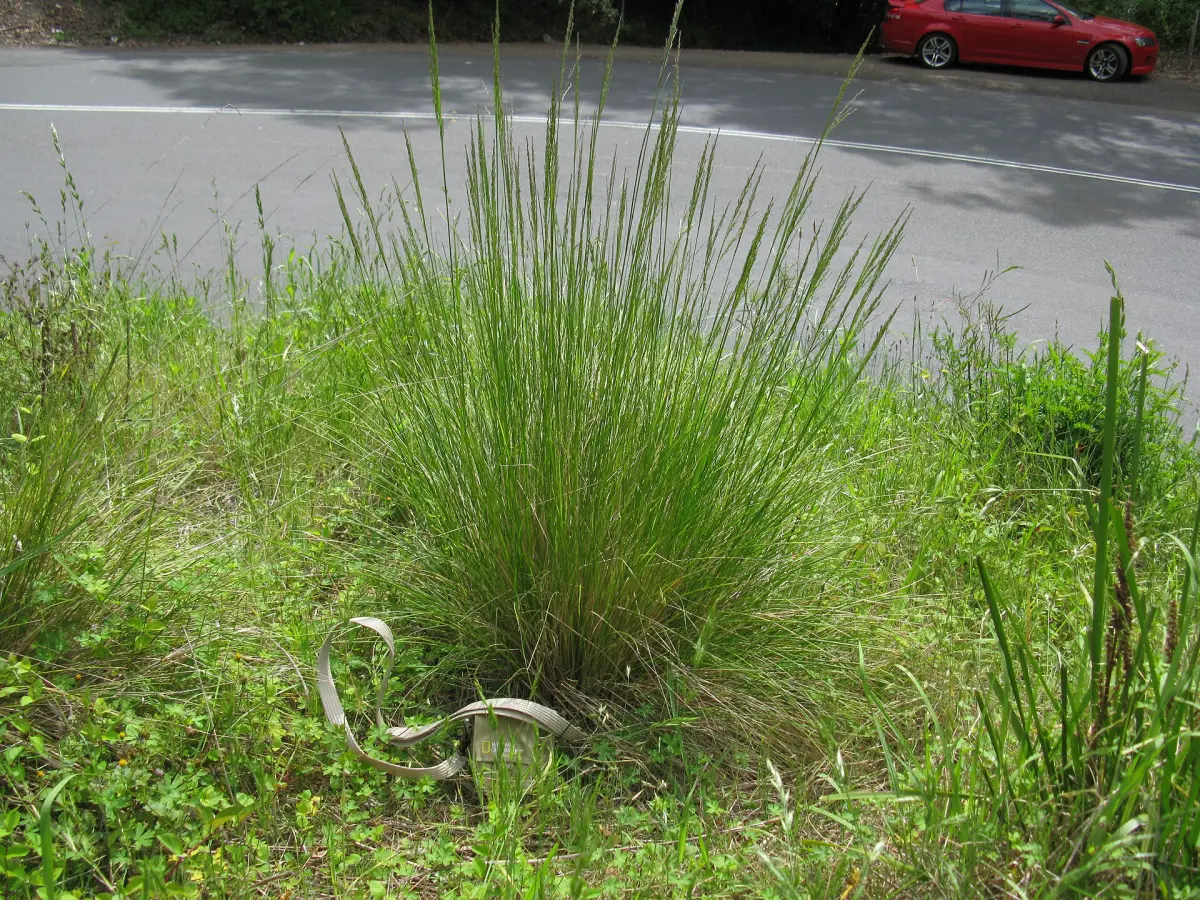 Poa lab
Planning a planting?
Send us the species list and the program. We will tell you what the nursery can grow, and when it needs to start.